
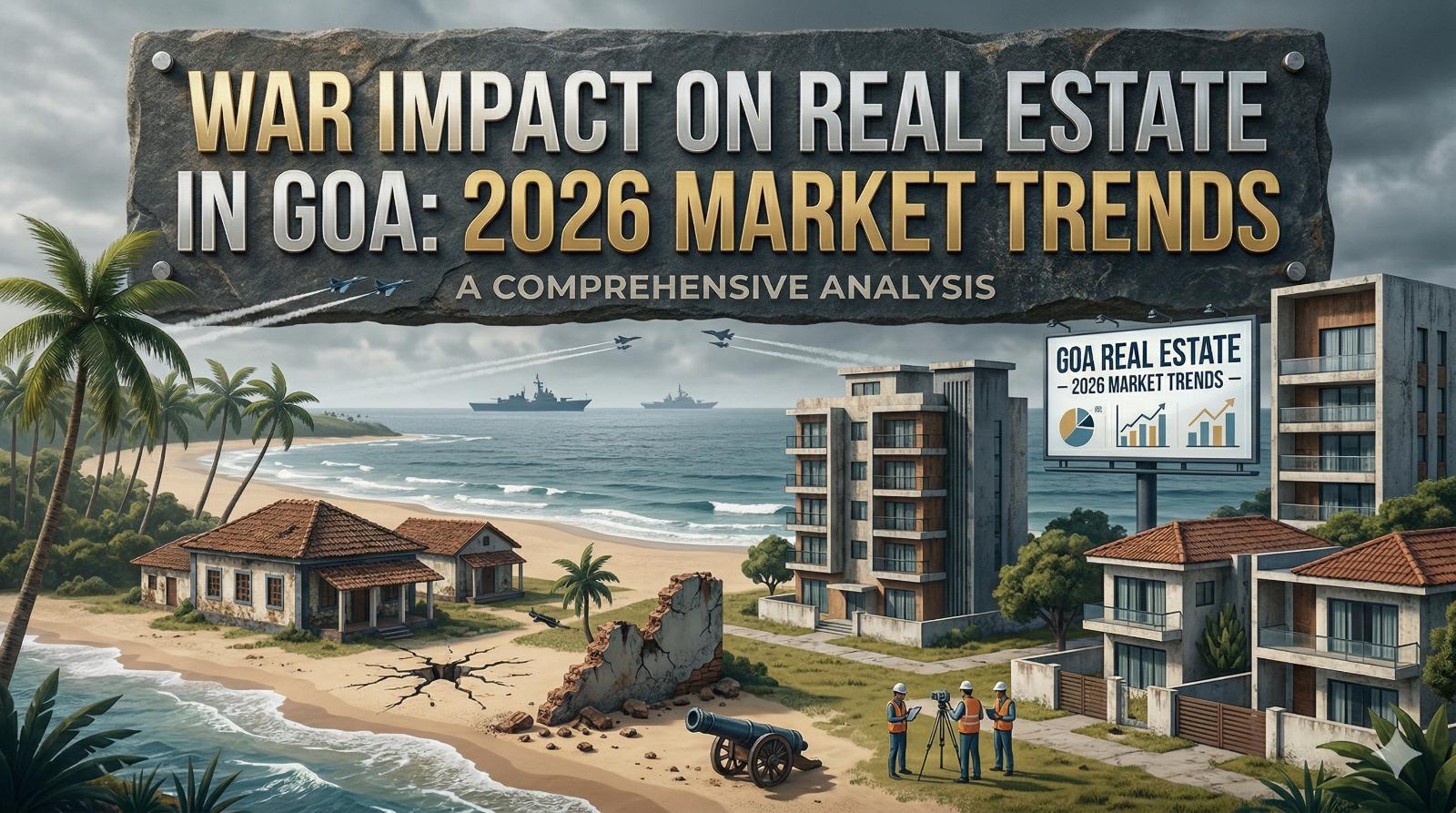
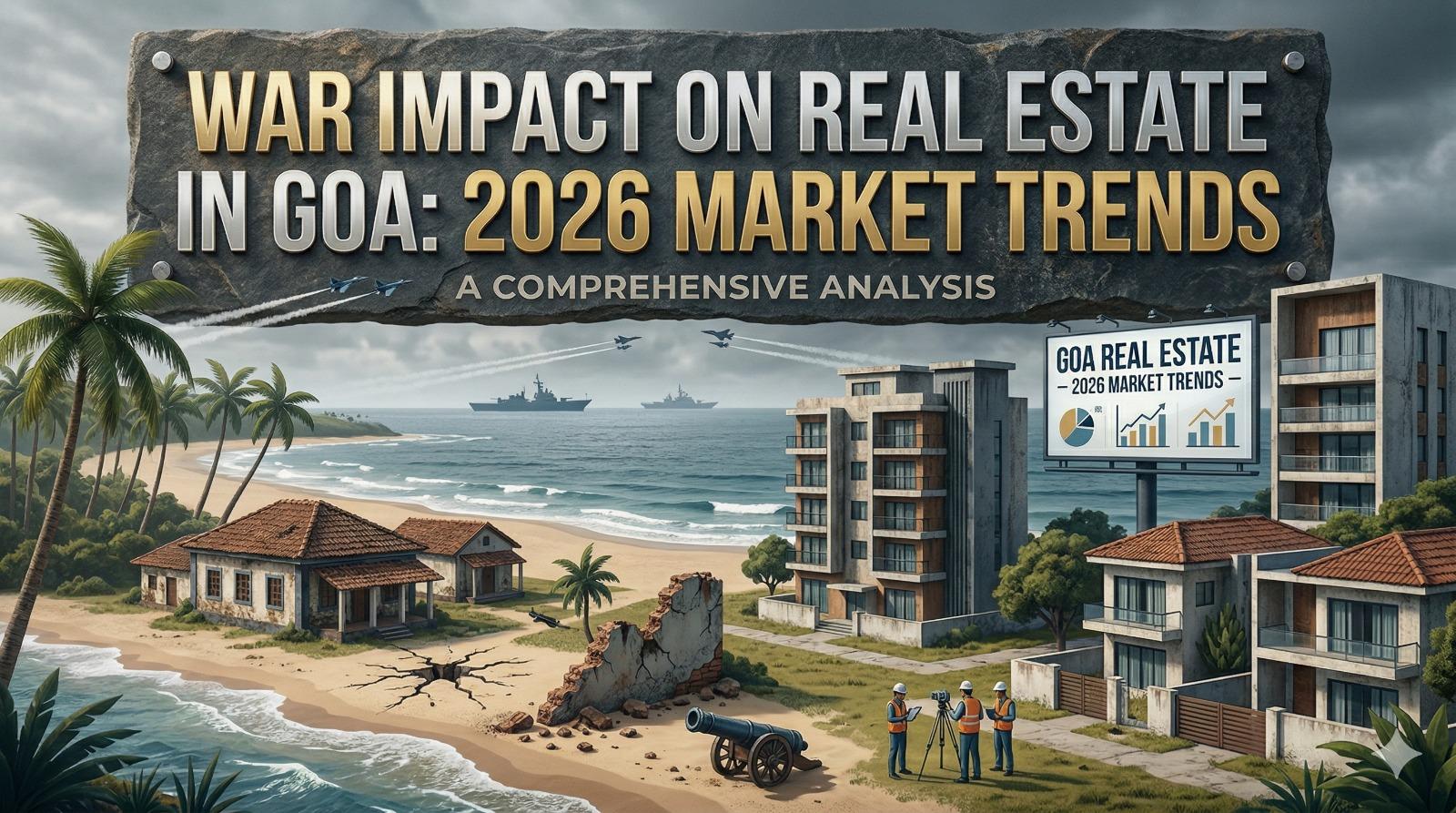
War Impact on Real Estate: 2026 Market Trends
In today’s highly interconnected global economy, the real estate market is no longer driven solely by local neighborhood developments or domestic policies. If you are a prospective homebuyer, a seasoned investor, or someone simply exploring the property market, you might be watching the daily news with a sense of unease. A geopolitical conflict or war happening thousands of miles away can send immediate ripple effects through international financial systems, eventually making its way to your local housing market.
At Builders And Brokers, we interact with clients every day who are asking the same critical questions: Should I wait to buy a house? Will my property lose its value? How does a global conflict actually change the reality on the ground for buyers and sellers?
To help you make sense of the noise, we have put together this informative guide detailing exactly how the current war situation is impacting the real estate market, and how our end-to-end support can help you navigate these turbulent times.
1. The Immediate Drop in Sales and New Launches
The most visible impact of global conflict is the sudden shift in market momentum. According to recent industry data, there has been a noticeable drop in Q1 home sales and new project launches, which has been directly driven by price hikes and worsening geopolitical concerns.
When the world feels unstable, developers become incredibly cautious. Rather than risking massive amounts of capital to break ground on new residential towers or villa communities that might sit empty, builders actively choose to halt or delay new project launches. For you as a buyer, this means the supply of brand-new, under-construction inventory temporarily shrinks. If you are looking for a freshly launched project, you may find fewer options on the table than you would in a peaceful economic climate.
2. Consumer Hesitation and the Domestic Job Market
Real estate is a heavily psychological market. Buying a home is arguably the largest financial commitment a person will make in their lifetime. Worsening geopolitical concerns create a heavy atmosphere of uncertainty that can deeply impact the domestic job market.
When global supply chains are threatened and international trade is disrupted by war, multinational companies often freeze hiring or initiate layoffs to protect their margins. When everyday buyers fear for their job security, consumer confidence plummets. People naturally hesitate to lock themselves into a 20-year mortgage if they are uncertain about their employment status over the next 12 months. This psychological hesitation is exactly what drives the drop in overall home sales during times of conflict.
3. Supply Chain Chaos and Skyrocketing Price Hikes
While buyers are hesitating, the cost of actually building a home is moving in the opposite direction. Wars severely disrupt global trade routes. Countries involved in or adjacent to conflict zones are frequently massive exporters of essential raw materials like crude oil, natural gas, steel, aluminum, and timber.
When international sanctions are applied or shipping lanes are blockaded, the global supply of these construction materials tightens dramatically. For developers, this translates to unpredictable, skyrocketing construction costs. These inflated costs do not just eat into developer profits; they are inevitably passed down to the consumer. This creates a frustrating scenario for buyers: a slower market, but with higher property price tags.
4. Inflation and the Rising Cost of Borrowing
War is inherently an inflationary event. It triggers energy crises, making it significantly more expensive to manufacture and transport everyday goods. To combat this rampant global inflation, central banks around the world are forced to aggressively raise their baseline interest rates.
For anyone looking to buy real estate, this is where the geopolitical situation hits your wallet the hardest. Higher central bank rates translate directly into more expensive home loans and higher Equated Monthly Installments (EMIs). As the cost of borrowing surges, many first-time homebuyers find their purchasing power reduced, temporarily pricing them out of the market.
5. The “Safe Haven” Investment Shift
Despite the gloom, war actually creates a highly specific micro-boom in certain real estate sectors: the flight to safety. Capital is notoriously risk-averse. At the first sign of a prolonged war, High-Net-Worth Individuals (HNIs) and global investors actively pull their money out of volatile stock markets and unstable regions.
Where does that money go? It flows into “safe haven” assets. Historically stable real estate markets—such as prime properties in India or luxury holiday homes in Goa—see a surge in interest from Non-Resident Indians (NRIs) and wealthy buyers looking to park their wealth in secure, tangible, brick-and-mortar assets. Real estate cannot disappear overnight like a stock portfolio, making it a powerful hedge against global instability.
How Builders And Brokers Can Help You Navigate This
Navigating a real estate transaction during a period of global unrest requires a steady hand, expert local knowledge, and absolute transparency. You do not have to decipher the economic headlines alone.
Whether you are looking to secure a safe-haven investment, sell your current property, or simply find a new family home despite the market challenges, Builders And Brokers is here to manage the entire process. We offer complete, end-to-end support—handling all the paperwork, conducting rigorous legal due diligence, and negotiating aggressively on your behalf so that your investment remains 100% secure, regardless of what is happening on the world stage.
Frequently Asked Questions (FAQ)
Recent data shows that Q1 new project launches have dropped significantly due to price hikes and worsening geopolitical concerns. Developers are delaying new projects to avoid holding unsold inventory during uncertain times.
Worsening geopolitical concerns can deeply impact the domestic job market. If buyers feel their employment or the broader economy is unstable, they naturally delay making large financial commitments like purchasing a home, leading to a drop in overall sales.
Not necessarily. While sales volume has dropped, the market is simultaneously dealing with severe price hikes. Because the cost of raw materials and construction goes up during global conflicts, developers are forced to maintain or increase prices to cover their rising expenses.
We provide expert, end-to-end support to ensure your transaction is safe and seamless. From identifying properties that are insulated from sudden price hikes to managing all the complex legal paperwork and registrations, we take the stress out of buying or selling property in an unpredictable market.


